Revolutioning food security with insects
Enterprise
Maggot Farm Production
Presentation of the enterprise
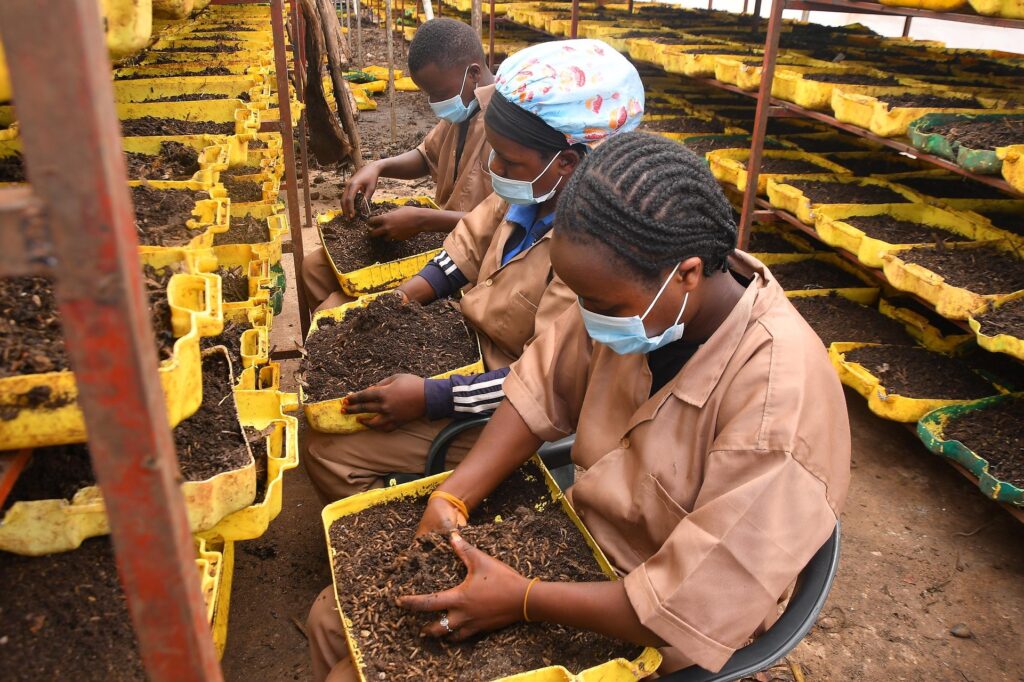
Since 2019, Maggot Farm converts organic waste into protein-rich animal feed and organic fertiliser using black soldier fly larvae.
Amount of co-financing
EUR 112,400
- Rwanda
- 2025
- Ongoing
Challenge
In Rwanda, access to protein remains limited due to the high cost of meat, fish, and eggs — particularly affecting children, with over 33% of those under five suffering from stunting (RDHS 2020). For farmers, 70% of protein production costs come from feed, and the main protein sources (soybean and fish) are heavily reliant on imports, as a high price. One pressing challenge is thus to provide the Rwandan farmers with sufficient, affordable protein sources in livestock feed production.
Innovative solution
Maggot Farm Production has developed insect-based production as a sustainable alternative of protein in fodder. Insects grow rapidly (within 45 days), have a high protein concentration, and are affordable thanks to local production. By-products from the process are used as organic fertiliser.
The insect flour is sold to industrial feed manufacturers and farmer cooperatives, while the organic fertiliser is distributed to local farming communities, both individuals and cooperatives.
Targeted impact
- 160 additionnal tonnes of Black Soldier Fly (BSF) powder and 200 tonnes of organic fertiliser produced
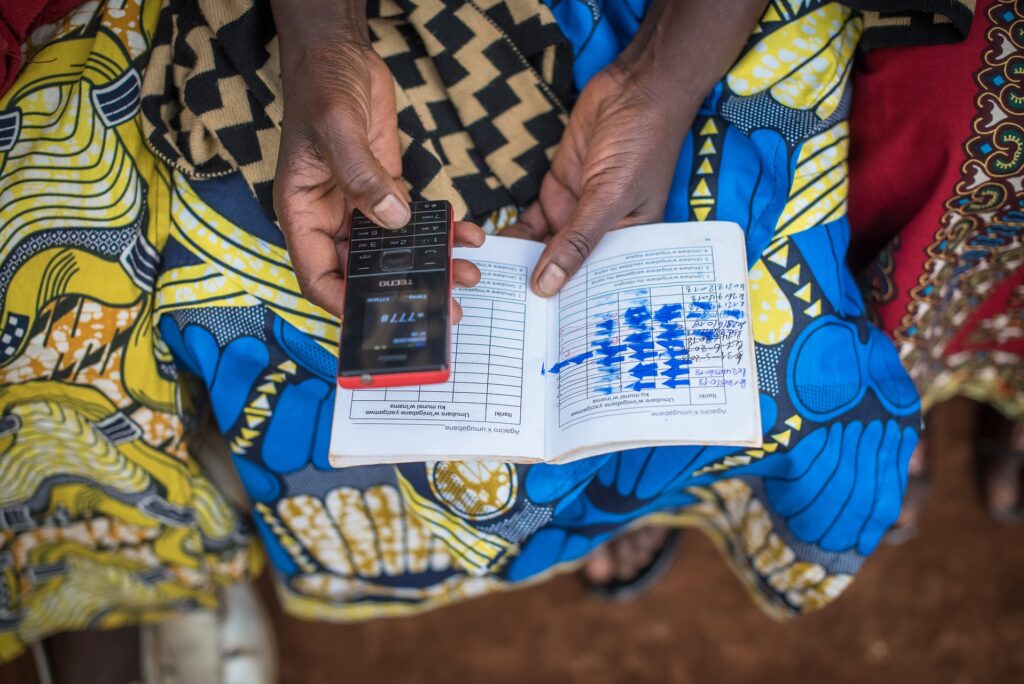
- 42 farmers onboarded and producing BSF, seeing their incomes increase
- 10 new jobs created


Targeted Sustainable Development Goals
-
Lower input costs mean fish farmers can increase their income. 42 farmers producing black soldier flies (BSF) are onboarded and see their incomes increase.
-
Cheaper livestock feed leads to more affordable food for the population. On the project duration, over 700 farmers are also gaining access to affordable organic fertiliser, improving their yields.
-
This high-protein, locally produced solution reduces dependence on imports, strengthens the local economy, and promotes recycling, as waste is converted into fertiliser that protects soil, air, and water.