
A family journey rooted in Kosovo’s forests: Growing opportunities for rural communities
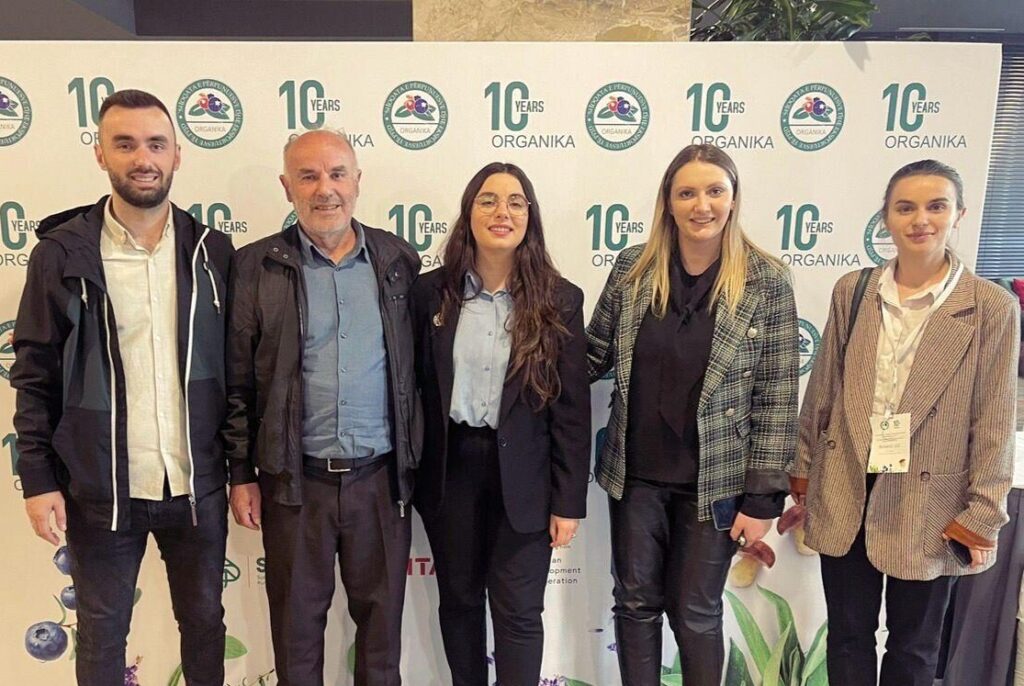
What does it take to rebuild a business from scratch? For the Veliu family in Kosovo, the answer lies in resilience, deep roots in nature, and a belief that economic opportunities can transform lives. Today, Agro-Florentina exports mushrooms, forest fruits and medicinal plants across international markets, but its story began long before the company existed, and survived even the disruption of war.
A business born in the forests
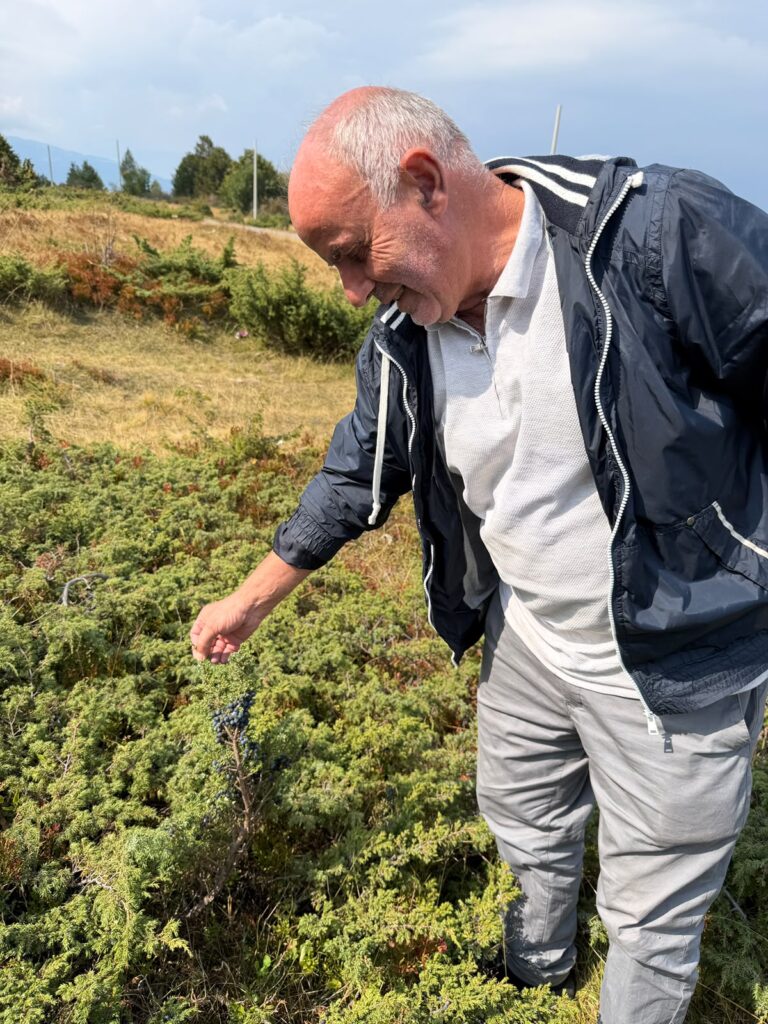
Long before Agro-Florentina became one of Kosovo’s leading exporters of natural products, Xhemshir Veliu was already walking the forests, working with wild mushrooms and the people who collected them. At the time, there was no processing facility, no export network and no business plan stretching beyond the next season. There was simply a connection to nature and a growing network of people in rural communities who knew the forests, understood the rhythms of the land and could earn additional income by collecting wild mushrooms.
For Xhemshir, what started as a modest trading activity quickly became something bigger. Collection points were established across Kosovo, creating opportunities for families in rural areas while building a supply chain rooted in local knowledge and trust.
When everything had to start again
Then everything changed. When war broke out in Kosovo in 1998, the Veliu family was forced to leave. The business they had painstakingly built came to an abrupt halt. Like thousands of others, they faced uncertainty, displacement and the challenge of starting over. When the family eventually returned, rebuilding was not merely an economic necessity; it became a symbol of hope. They relaunched the business under the name Pranvera, meaning “Spring”, reflecting both a fresh start for their family and a period of renewal for communities across the country. That experience continues to shape the company’s vision today.
“Our own family experienced displacement and had to rebuild after the war,” says Blerinda Veliu, Xhemshir’s daughter and now manager of the company. “We understand how important an economic opportunity can be when a family is trying to build stability.”
Turning local knowledge into global opportunities
When Agro-Florentina was formally established in 2013, the family’s ambition extended far beyond buying and selling mushrooms. They wanted to connect Kosovo’s rich natural resources and traditional know-how with international markets, creating lasting opportunities for rural communities along the way. More than a decade later, that vision has become reality.
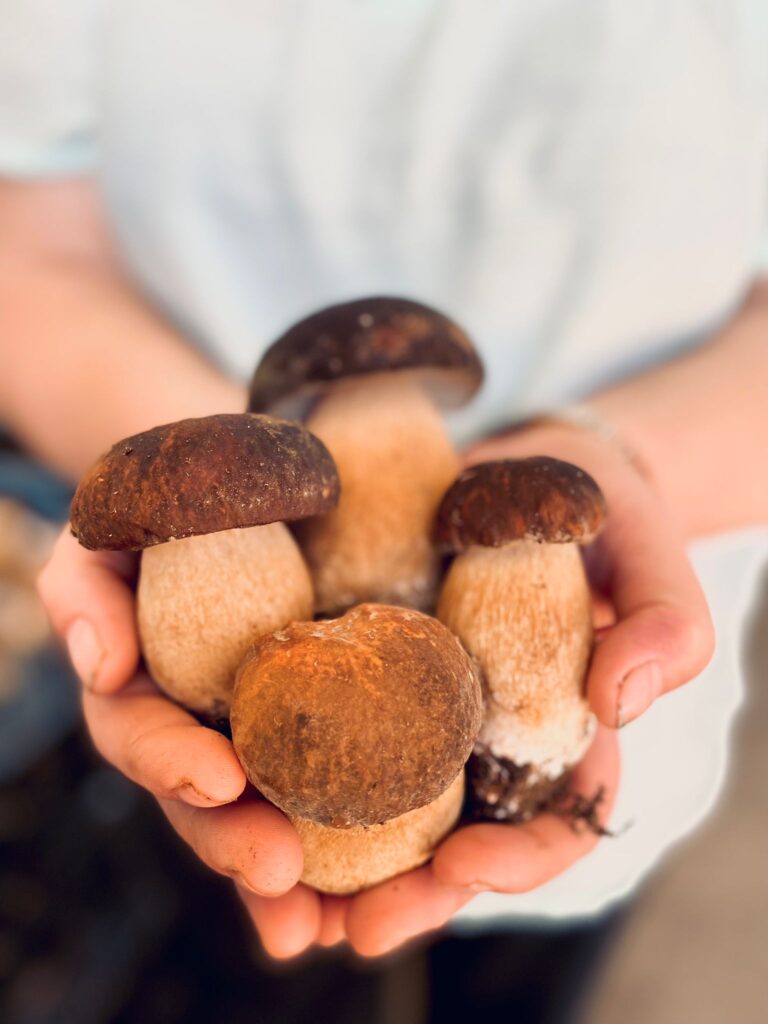
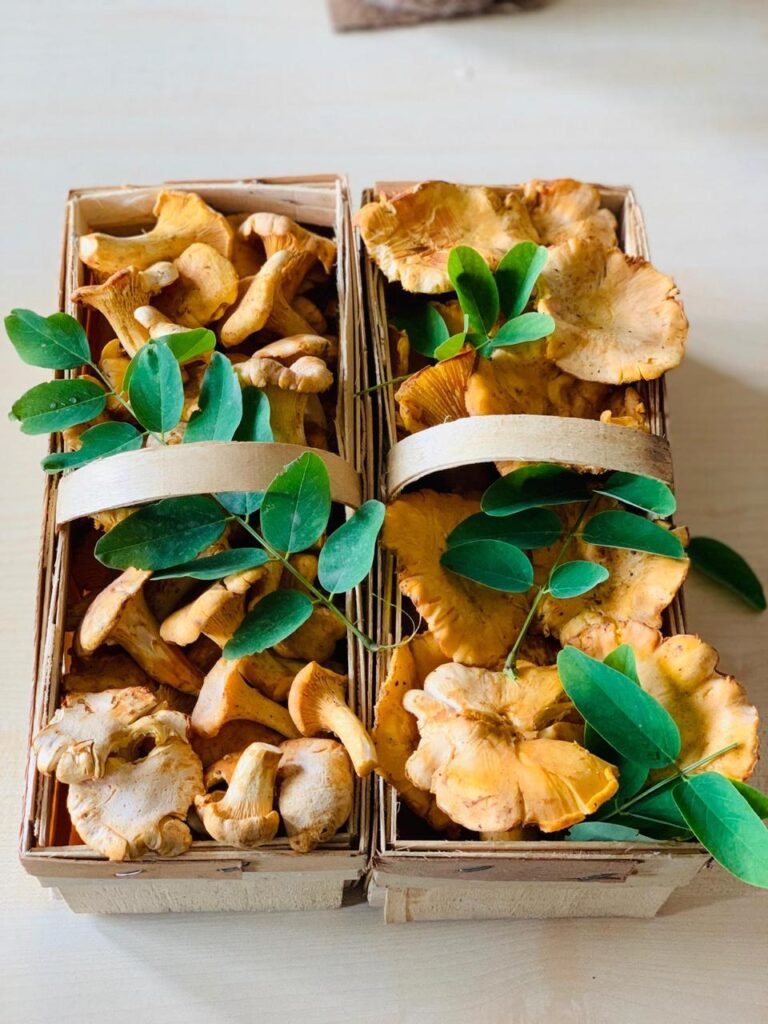
Today, Agro-Florentina collects, processes and exports mushrooms, forest fruits, and medicinal and aromatic plants to customers around the world. Behind that success stands a network of around 1,000 collectors and farmers across Kosovo, many of whom have worked with the company for years.
The people behind every harvest
For Blerinda, however, the figures tell only part of the story.
“People can read that we work with more than 1,000 collectors and export to international markets,” she says. “What they don’t necessarily see is that behind every kilogram of product there is a person, a family, a community, and often knowledge that has been passed down through generations.”
That knowledge remains at the heart of Agro-Florentina’s approach. Farmers and collectors bring expertise about local ecosystems, harvesting seasons and natural products. The company helps translate that expertise into market opportunities by providing training, technical support and guidance on organic standards, quality requirements, traceability and sustainable harvesting practices. Rather than a simple buyer-supplier relationship, Agro-Florentina has built long-term partnerships with the people it works with. Many collectors and farmers return season after season, growing alongside the company itself.
Growth measured in livelihoods
When asked about the company’s proudest achievement, Blerinda does not mention export volumes or commercial milestones.
“You see the difference when people continue working with you year after year,” she says. “When relationships become long-term partnerships and families can turn the resources and knowledge available in their communities into a reliable source of income.”
For a family that once had to rebuild its own livelihood, that impact resonates deeply. “Seeing Agro-Florentina create those opportunities for others is probably the most rewarding part of our journey.”
Preparing for the next chapter
Now, the company is preparing for its next chapter. While wild collection remains central to Agro-Florentina’s business model, it also brings challenges. Harvests depend heavily on weather conditions, seasonal variations and the availability of natural resources. Storage limitations can further restrict the amount of produce that ultimately reaches the market. To address these constraints and strengthen the resilience of its operations, Agro-Florentina has received support from the LuxAid Demonstration Fund.
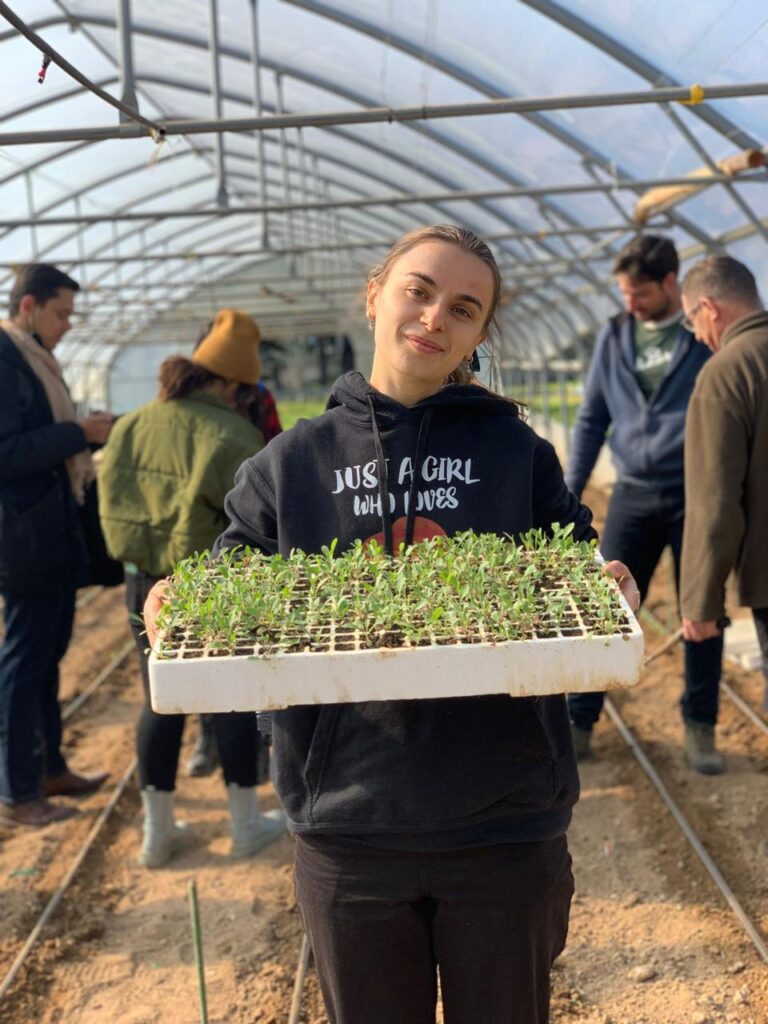
With this co-financing from the Luxembourg Cooperation, the company will invest in two smart greenhouses, expand its cold storage and freezing capacity, install solar panels and implement rainwater harvesting systems. Agro-Florentina also plans to transform organic residues into compost and biomass pellets while supporting six contracted farmers or collection points with mushroom cultivation kits.
Investing in resilience
For Blerinda, these investments are about much more than new infrastructure. “The growth of the company should also create opportunities for the communities around us,” she explains. By reducing dependence on wild collection and creating new production opportunities, the LuxAid Demonstration Fund is helping Agro-Florentina strengthen a model that combines business growth, environmental responsibility and rural development. It is the next step in a journey that began decades ago with a handful of mushroom collectors, was interrupted by war, and rebuilt through perseverance.
Looking to the future
As Blerinda reflects on how far the company has come, she returns to the same idea that inspired it from the beginning: “What began as our family’s connection to Kosovo’s nature has become a way of creating opportunities for thousands of other families while protecting that same nature for future generations.“
Related articles
-
LuxAid Demonstration Fund
 Feb. 2024
Recap: Rwanda’s very first LuxAid Demonstration Fund
Rwanda hosted the first edition of the LuxAid Demonstration Fund. Spotlight on promising initiatives to keep an eye on! -
LuxAid Challenge Fund
 Nov. 2024
2 M EUR boost for Kosovar business innovators tackling key challenges in manufacturing, education, healthcare and mobility
The Luxembourg Development Cooperation has just opened a call for proposals targeting enterprises with bold, innovative solutions to tackle societal challenges. Through the LuxAid Challenge Fund (LCF) and the LuxAid Demonstration Fund (LDF), businesses can secure up to EUR 350,000 in co-financing to scale transformative ideas in manufacturing, education, healthcare,... -
LuxAid Demonstration Fund
 Mar. 2025
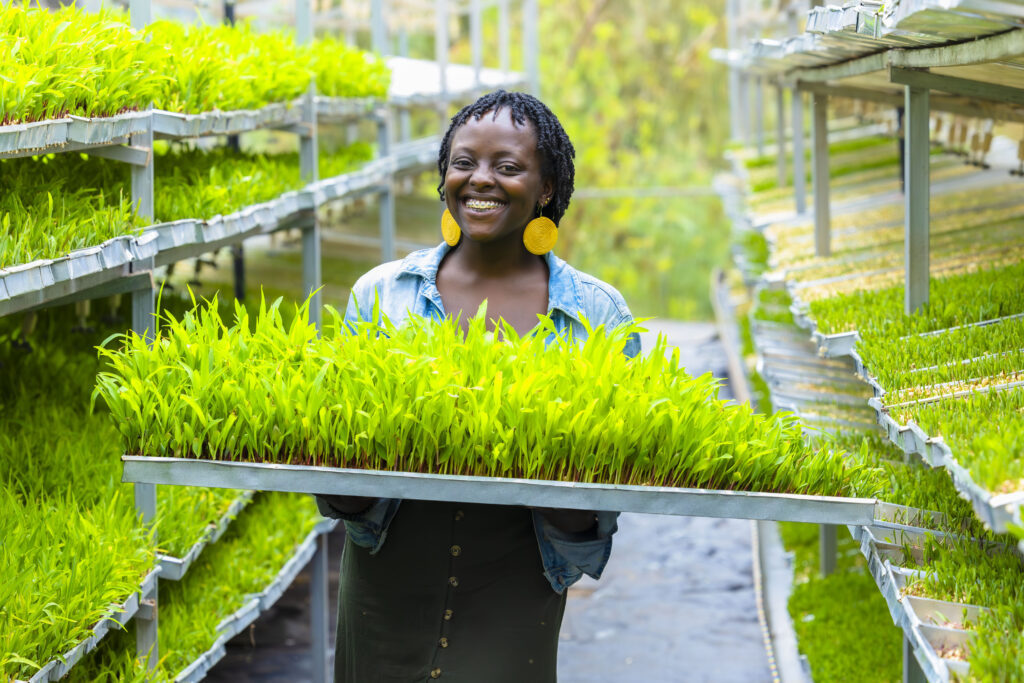
Solutions for food security: How the LuxAid Demonstration Fund supports a Rwandan business futureproofing fodder production
Are you curious about the impact of projects co-financed by the LuxAid Private Sector Engagement Funds? Meet UKC, a pioneering company supported by the LuxAid Demonstration Fund in Rwanda, as they tackle one of the country’s biggest challenges—land pressure and agriculture productivity.


