Business Partnership Facility
Brewing a sustainable coffee future in Tanzania
Lead partner
EFICO (Belgium)
Associated partner
Herencia VL (Belgium)
Local partner(s)
African Partnership Kilimandjaro – APK (Tanzania)
Amount of co-financing
EUR 199,670
- Tanzania
- 2025
- Ongoing
Challenge
The Kilimanjaro region in Tanzania, despite its rich natural resources and favourable conditions for growing high‑quality coffee, faces a combination of environmental, economic, and social challenges that threaten the long‑term sustainability of the sector:
- degradation of natural resources: poor water management (flood irrigation with high losses), soil degradation, pressure on ecosystems, and loss of biodiversity;
- climate change: more frequent droughts, irregular rainfall, and rising temperatures reducing yields and coffee quality;
- low productivity and limited income: traditional farming practices, limited access to technology and finance, undermining the livelihoods of producers;
- social risks and water‑related conflicts driven by increasing resource scarcity.
These challenges undermine the production of sustainable, high‑quality local coffee.
Innovative solution
To address these issues, the partners are implementing an innovative model for sustainable coffee production through:
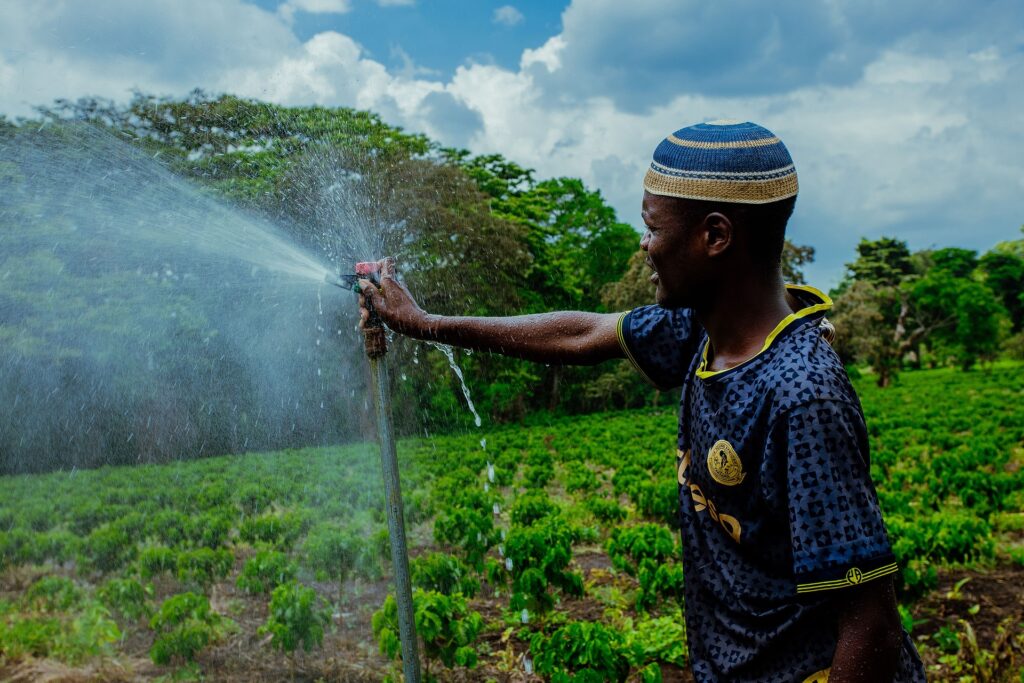
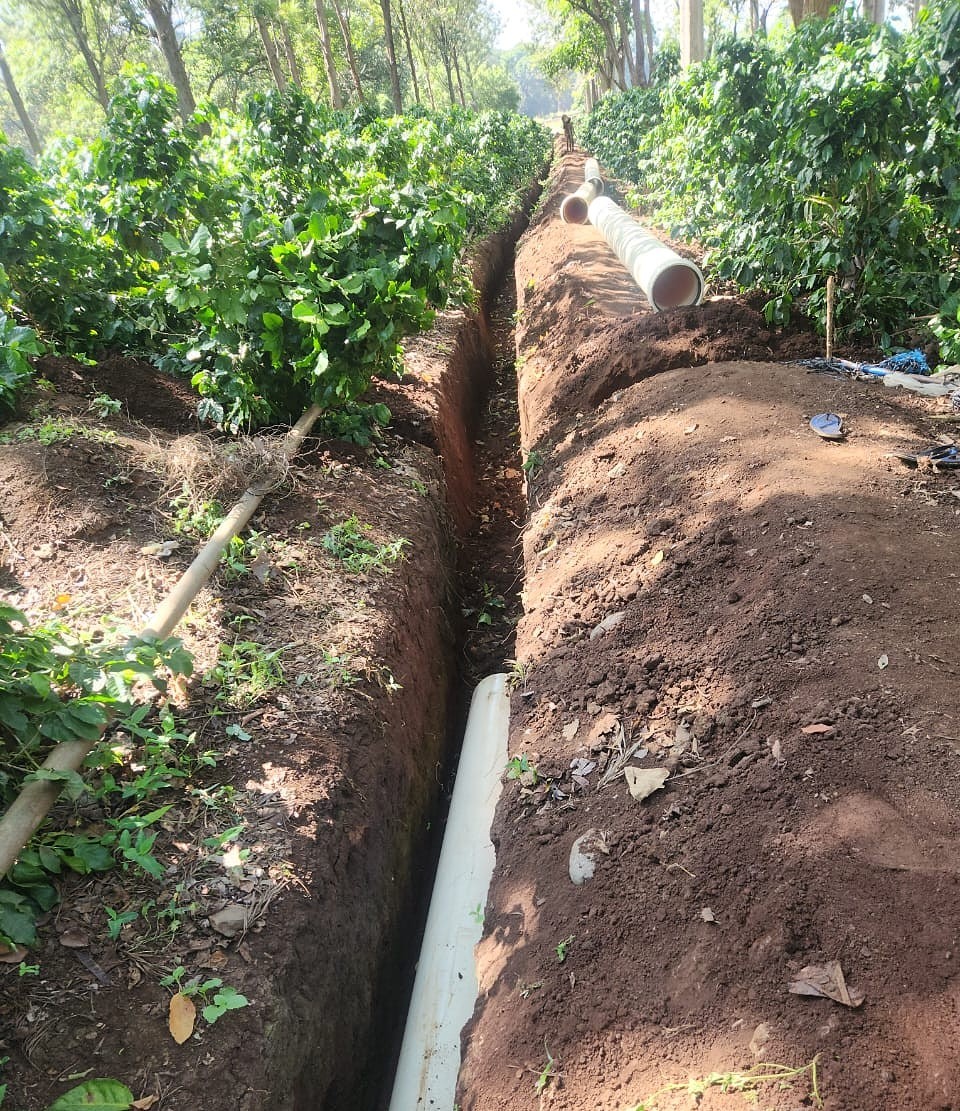
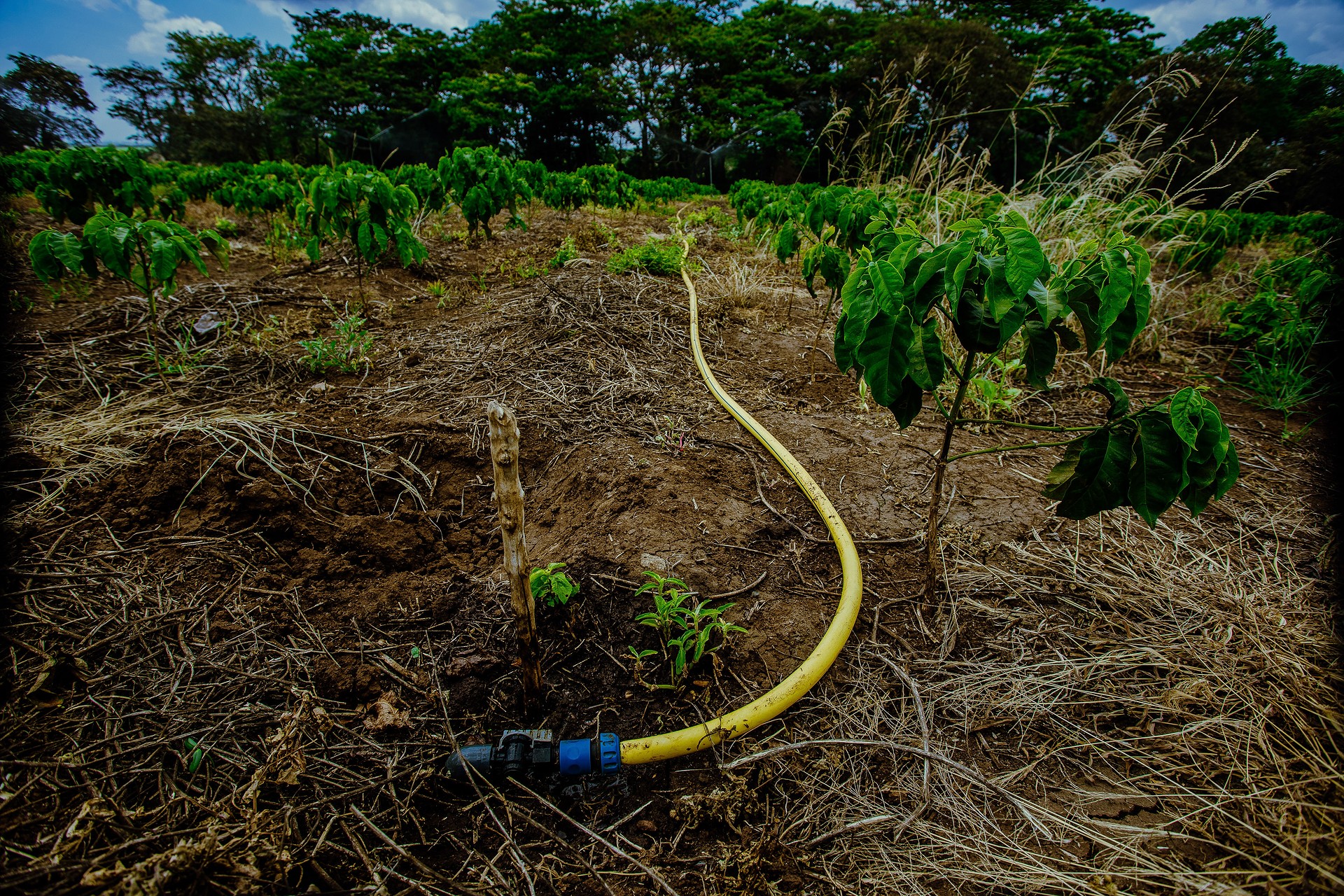
- replacing traditional irrigation systems with closed‑pipe, drip and sprinkler systems powered by gravity;
- adopting regenerative agricultural practices to restore soils, improve productivity, and strengthen climate resilience;
- South‑South technology transfer: adapting proven solutions from Colombia to the Tanzanian context.
Targeted impact
- Reduction of water losses by up to 60%, lower CO₂ emissions thanks to the phase‑out of diesel generators, and globally improved soil health and biodiversity
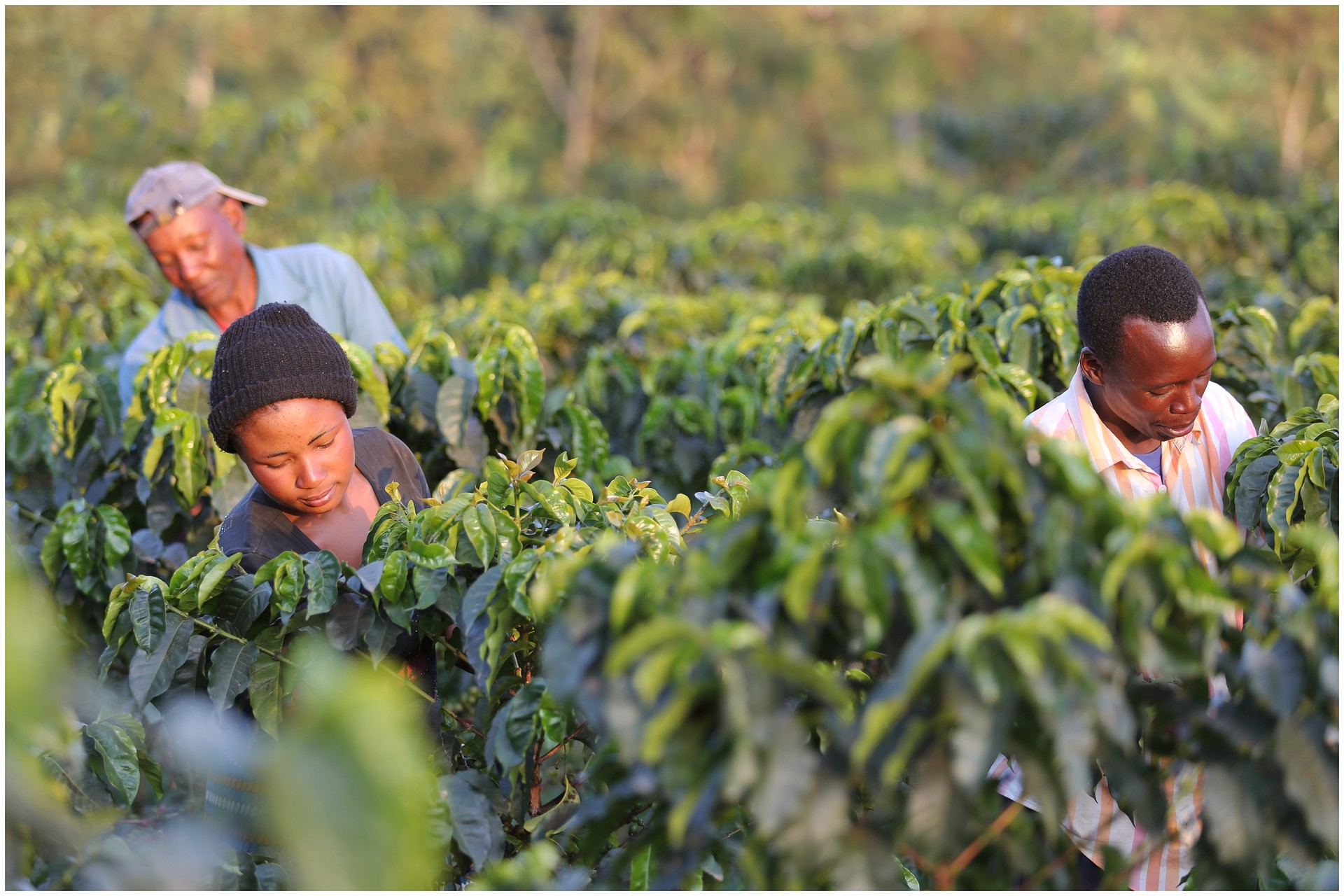
- Improved income and living conditions for more than 2,700 producers, around 60% of whom are women
- Expected increase in agricultural productivity of up to +40%, strengthening the competitiveness of the coffee value chain
Photo credit: EFICO-APK
Targeted Sustainable Development Goals
-
More than 2,700 rural producers benefit from improved incomes and livelihoods.
-
Water management is improved through more efficient irrigation systems, reducing losses by up to 60%.
-
CO₂ emissions are reduced, and the resilience of farms is strengthened in the face of climate change impacts.