
Innovative agri-food enterprises selected for the third edition of the LuxAid Demonstration Fund in Rwanda
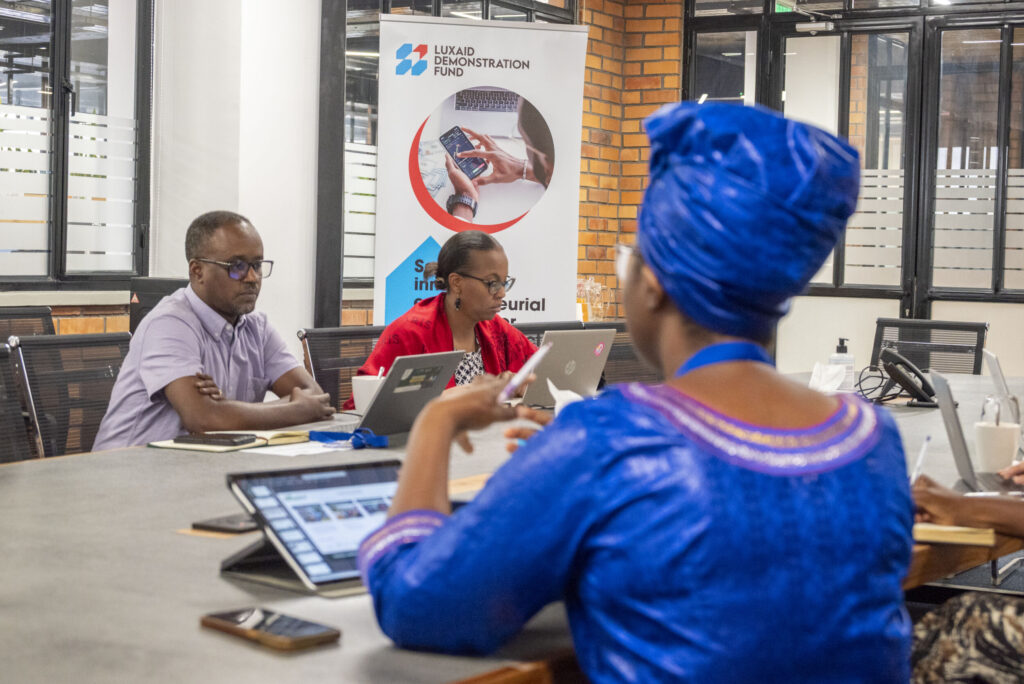
Four Rwandan enterprises have been selected to receive co-financing under the third edition of the LuxAid Demonstration Fund (LDF) in Rwanda, securing support of up to EUR 350,000 each to scale up innovative solutions addressing key challenges in the country’s agri-food sector. Combined with the enterprises’ own investment, this represents a total investment of EUR 2.154 million.
Previous editions of the Fund supported innovations in clean cooking, alternative proteins, hydroponic production and digital financial services, helping local businesses expand their impact and reach new markets. The 2026 call focused on two priority themes: digital and service innovations that improve connectivity, efficiency and compliance across agri-food value chains, and innovations in backbone infrastructure that strengthen value creation through processing, logistics, aggregation and food systems infrastructure.
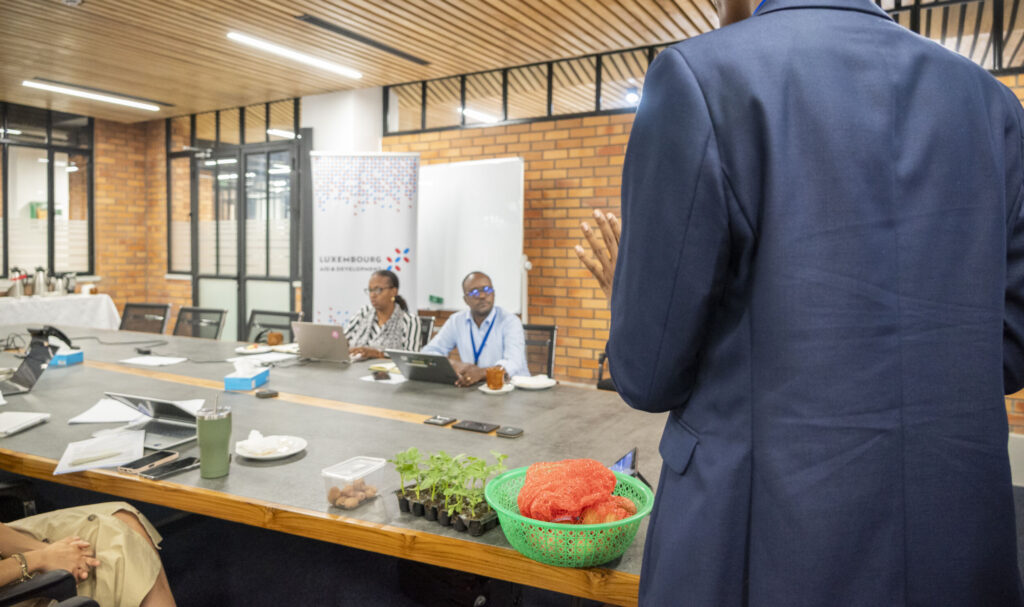
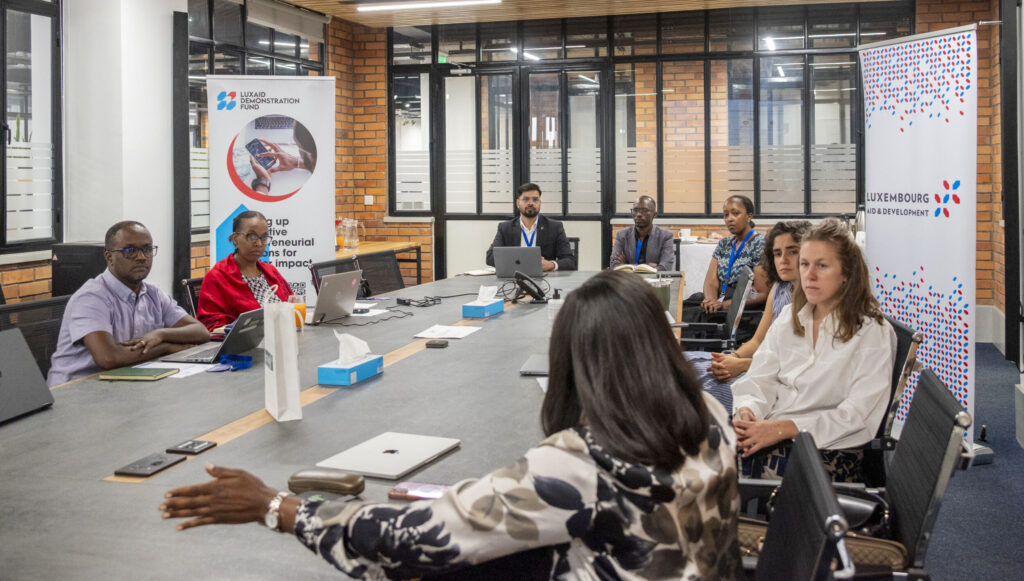
Interest from Rwanda’s private sector was strong. Based on recommendations from 16 ecosystem partners, a total of 120 enterprises were invited to submit, and 80 eligible applications were received. Following a rigorous assessment process, 10 enterprises advanced to the final stage, where they pitched their solutions before an evaluation and then an award committee composed of representatives from Ministry of Foreign and European Affairs, Defence, Development Cooperation and Foreign Trade (MFA), the Rwanda Development Board (RDB), the Ministry of Agriculture and Animal Resources (MINAGRI) and LuxDev.
The selected enterprises stood out for their ability to combine innovation, commercial viability and development impact, offering practical solutions to challenges ranging from access to quality inputs and food safety to post-harvest losses and market access.



The 2026 awardees
Hand in hand for sustainable agriculture (HIHSA): Scaling the production of certified seed potatoes
HIHSA was selected for its plan to expand the production of certified seed potatoes using Rapid Multiplication Techniques. By increasing the availability of high-quality, disease-free seed, the company aims to help farmers improve yields and strengthen productivity across Rwanda’s potato sector.
Learn more about HIHSA: https://www.hihsa.rw/
Eza Neza: Tackling post-harvest losses through freeze-drying
Eza Neza is introducing commercial freeze-drying technology to Rwanda’s horticulture sector. The solution preserves fruits and vegetables for extended periods while maintaining most of their nutritional value, reducing post-harvest losses and creating new market opportunities for producers.
Learn more about Eza Neza: https://ezaneza.com/
DAVET: Building inclusive agri-food hubs
DAVET is establishing agri-food hubs around the Mugombwa and Nyabiheke refugee camps that combine input financing, technical assistance, aggregation, cold storage and buyer linkages. The model integrates refugee and host-community farmers into organised poultry and mushroom value chains, helping producers increase production, reduce post-harvest losses and access reliable markets.
Learn more about DAVET: https://davetagri.com/
Aflakiosk: Bringing food-safety services closer to producers
An estimated 65% of maize in Rwanda is affected by aflatoxin contamination, creating risks for both producers and consumers. Aflakiosk’s mobile laboratory model allows farmers, cooperatives and agro-processors to test products closer to where they are produced, receiving results within 24 hours. Combined with certification, advisory services and traceability tools, the solution helps reduce contamination risks, strengthen food safety and improve access to premium markets.
Learn more about Aflakiosk: https://www.aflakiosk.com/
From innovation to impact
Together, the four selected projects demonstrate how locally developed solutions can address critical bottlenecks across Rwanda’s agri-food value chains. Whether improving access to quality seed, reducing food losses, strengthening market linkages or enhancing food safety, the innovations supported under this third edition of the LuxAid Demonstration Fund have the potential to generate lasting benefits for farmers, agribusinesses and consumers alike.
Related articles
-
LuxAid Demonstration Fund
 Feb. 2024
Recap: Rwanda’s very first LuxAid Demonstration Fund
Rwanda hosted the first edition of the LuxAid Demonstration Fund. Spotlight on promising initiatives to keep an eye on! -
LuxAid Challenge Fund
 Nov. 2024
2 M EUR boost for Kosovar business innovators tackling key challenges in manufacturing, education, healthcare and mobility
The Luxembourg Development Cooperation has just opened a call for proposals targeting enterprises with bold, innovative solutions to tackle societal challenges. Through the LuxAid Challenge Fund (LCF) and the LuxAid Demonstration Fund (LDF), businesses can secure up to EUR 350,000 in co-financing to scale transformative ideas in manufacturing, education, healthcare,... -
LuxAid Demonstration Fund
 Mar. 2025
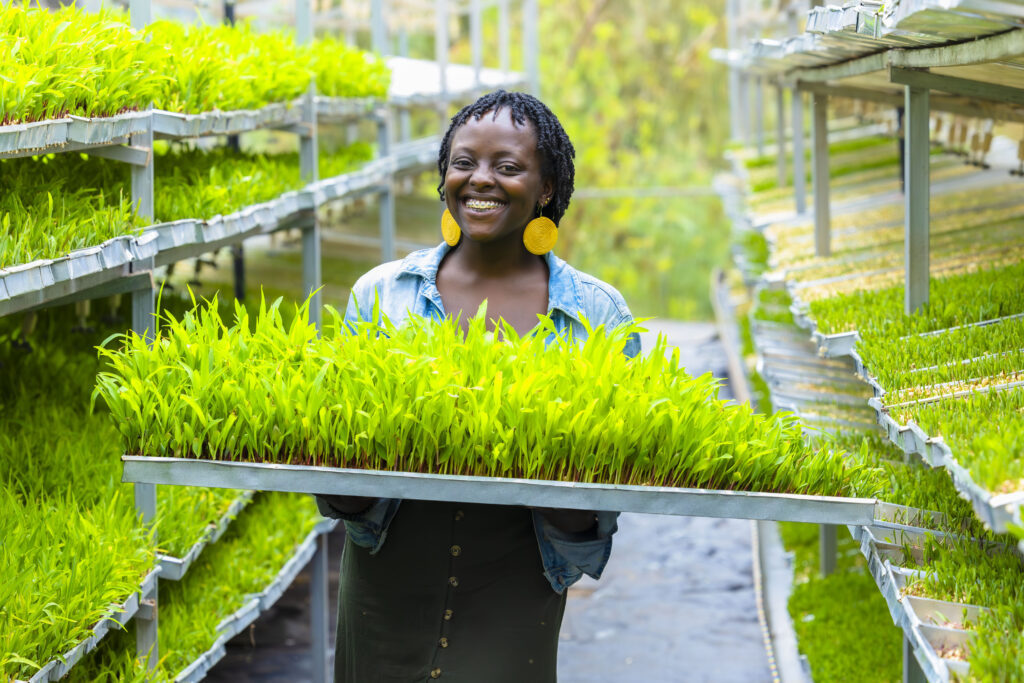
Solutions for food security: How the LuxAid Demonstration Fund supports a Rwandan business futureproofing fodder production
Are you curious about the impact of projects co-financed by the LuxAid Private Sector Engagement Funds? Meet UKC, a pioneering company supported by the LuxAid Demonstration Fund in Rwanda, as they tackle one of the country’s biggest challenges—land pressure and agriculture productivity.


