Rwanda: The power to transform, one flame at a time
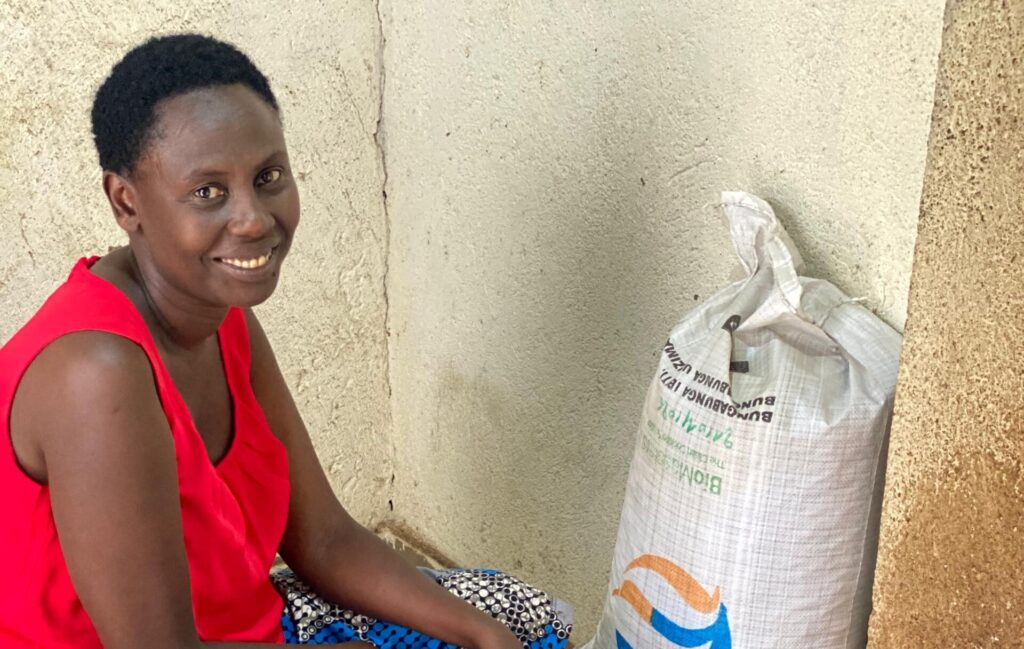
In Rwanda, cooking with charcoal or gas is still part of daily life for many families. Yet these traditional cooking methods carry health, safety and environmental risks. Viviane Umugwaneza, an entrepreneur and mother, recently adopted an alternative offered by BioMassters and supported by the LuxAid Demonstration Fund. It is a change that is already transforming not only the way she cooks, but also how her family organises its daily life.
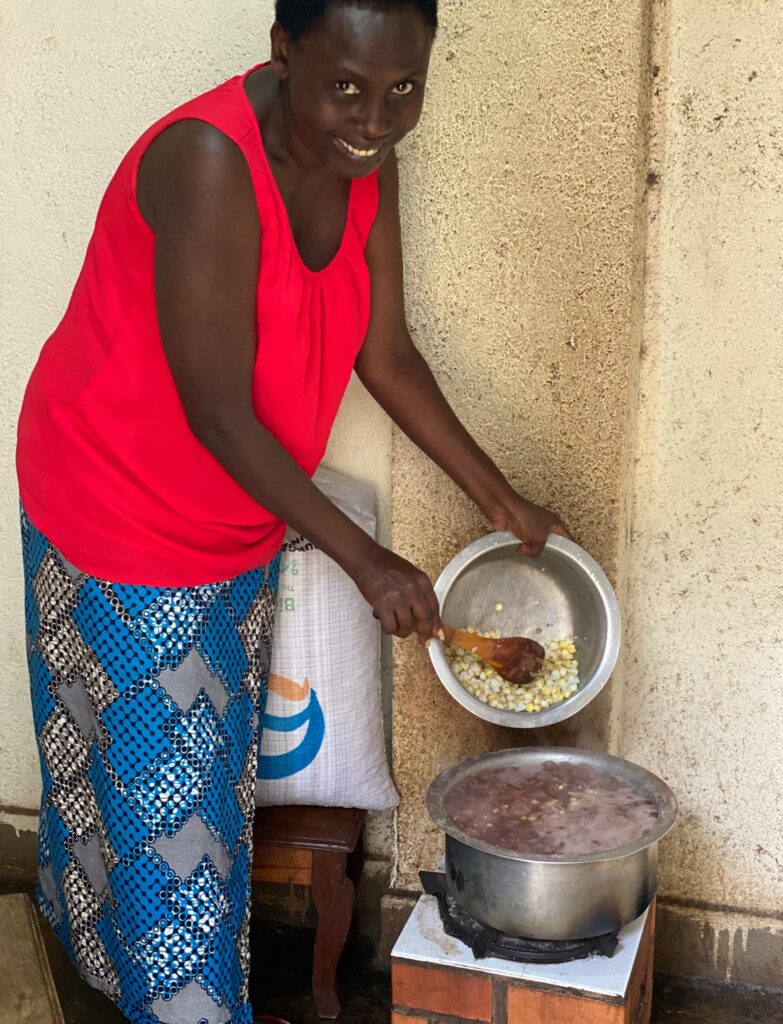
Like 80% of Rwanda’s population, Viviane was until recently still dependent on wood or charcoal to prepare meals. These fuels exposed her to harmful smoke and posed risks to her safety and that of her family. Today, she uses the BioMassters solution: a wood pellet stove that is cleaner, safer and more affordable.
Less smoke, more peace of mind
For Viviane, cooking used to feel like a real chore. “The smoke produced by charcoal burned our eyes and caused respiratory problems. I also used gas, but I was worried about the risk of explosions and burns, as these often happen in Rwanda,” she explains.
When she discovered the BioMassters pellet stove during a demonstration in her neighbourhood, she saw it as a compelling alternative. Unlike charcoal, this system produces no smoke. It helps reduce CO2 emissions and therefore addresses a major pollution and public health challenge linked to traditional cooking methods in Rwanda.
It is also safer to use, which reassures Viviane on another important point: “I now feel more comfortable letting my children, the youngest of whom is 10, light the stove and reheat food.”
Savings that open up new opportunities
Pellets cost around 30% less than charcoal. For households, this difference represents a significant saving month after month. Viviane is now able to set money aside with a view to investing. “Before, we spent more than RWF 80,000, around EUR 47, on fuel, compared with RWF 21,000 today, around EUR 12. We deposit the money saved into our savings account to launch my next entrepreneurial activity. Another considerable advantage is that I spend much less time cooking,” she explains.
The benefits do not stop there. Viviane also uses the ash from the stove to fertilise her garden, from which she earns additional income by selling her produce.
Finally, BioMassters gives back 25% of the revenue it generates from the monetisation of carbon credits to its customers in the form of cash rebates. Households that declared they were using charcoal before purchasing the BioMassters stove can therefore receive up to RWF 3,000 per month, around EUR 1.75.
A tangible impact for thousands of Rwandan households
Supported in 2024 by EUR 334,000 in co-financing from the LuxAid Demonstration Fund, an instrument of Luxembourg Development Cooperation, BioMassters has already helped improve the daily lives of thousands of Rwandan households. Thanks to this support, around 5,400 additional people have been able to benefit from this cleaner and more affordable cooking solution.
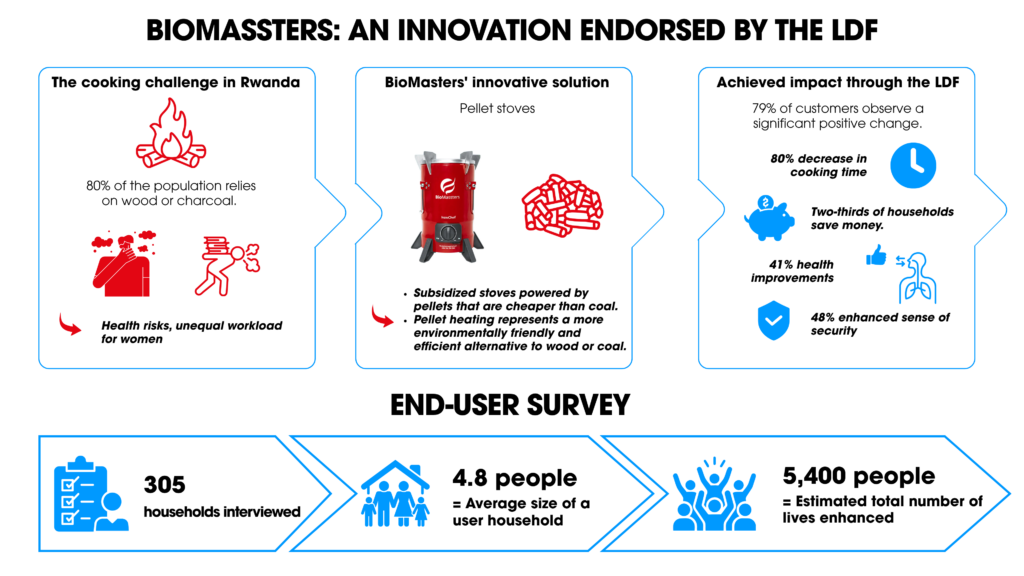
A survey conducted among 305 BioMassters customers confirms the project’s real impact. Among those surveyed, 79% reported an improvement in at least two of the following key areas: time, cost, health and safety.
The study also shows that:
- 80% of pellet stove users cook faster thanks to the stove’s power;
- two-thirds spend less money on cooking fuel;
- 41% of customers have noticed an improvement in their health;
- 48% feel safer.
Innovation powering a sustainable future
This project illustrates the commitment of Luxembourg Development Cooperation, which, through the LuxAid Demonstration Fund, supports innovative businesses capable of bringing concrete improvements to the living conditions of local communities. By making daily life easier for Rwandan households, the initiative led by BioMassters is opening up new opportunities, particularly for women who, like Viviane, combine professional activities with managing the household. By reducing household expenses, it also contributes to the first Sustainable Development Goal, which aims to end poverty in all its forms.
More information about the LuxAid Demonstration Fund: https://www.luxaidbusiness4impact.lu/ldf
Photo credit ©BioMassters
Related articles
-
LuxAid Demonstration Fund
 Feb. 2024
Recap: Rwanda’s very first LuxAid Demonstration Fund
Rwanda hosted the first edition of the LuxAid Demonstration Fund. Spotlight on promising initiatives to keep an eye on! -
LuxAid Challenge Fund
 Nov. 2024
2 M EUR boost for Kosovar business innovators tackling key challenges in manufacturing, education, healthcare and mobility
The Luxembourg Development Cooperation has just opened a call for proposals targeting enterprises with bold, innovative solutions to tackle societal challenges. Through the LuxAid Challenge Fund (LCF) and the LuxAid Demonstration Fund (LDF), businesses can secure up to EUR 350,000 in co-financing to scale transformative ideas in manufacturing, education, healthcare,... -
LuxAid Demonstration Fund
 Mar. 2025
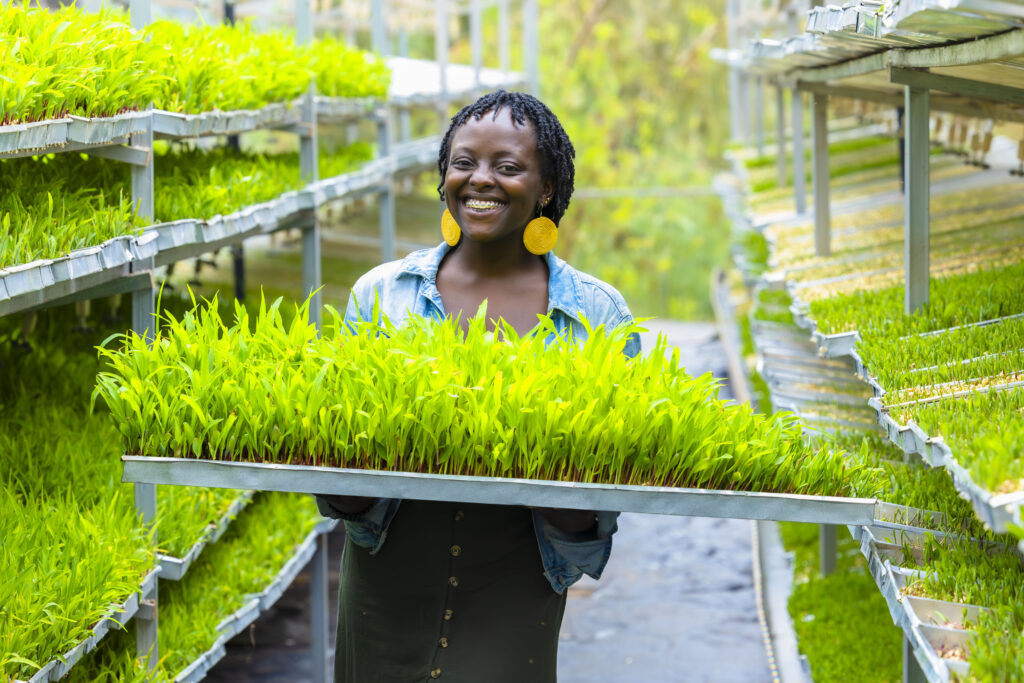
Solutions for food security: How the LuxAid Demonstration Fund supports a Rwandan business futureproofing fodder production
Are you curious about the impact of projects co-financed by the LuxAid Private Sector Engagement Funds? Meet UKC, a pioneering company supported by the LuxAid Demonstration Fund in Rwanda, as they tackle one of the country’s biggest challenges—land pressure and agriculture productivity.