Turning toxic waste into green jobs
Enterprise
SetTIC
Presentation of the enterprise
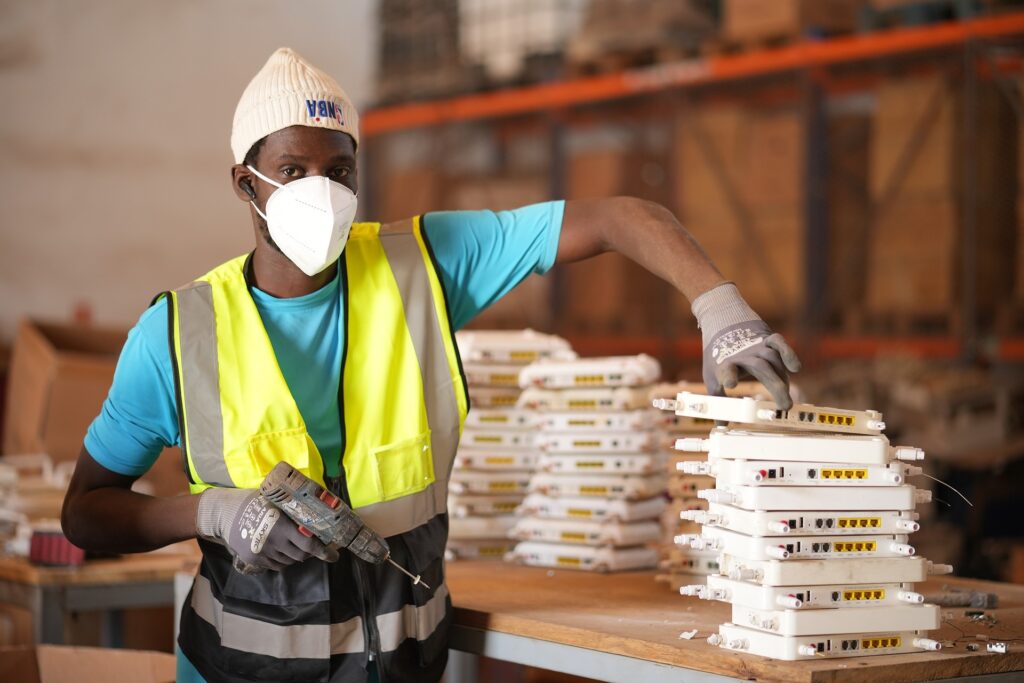
Founded in 2013 by two female entrepreneurs, SetTIC offers an innovative solution for waste management (notably electronic and biomedical waste) in Senegal, using a rotary incinerator with advanced filtration.
Amount of co-financing
EUR 350,000
- Senegal
- 2025
- Ongoing
Challenge
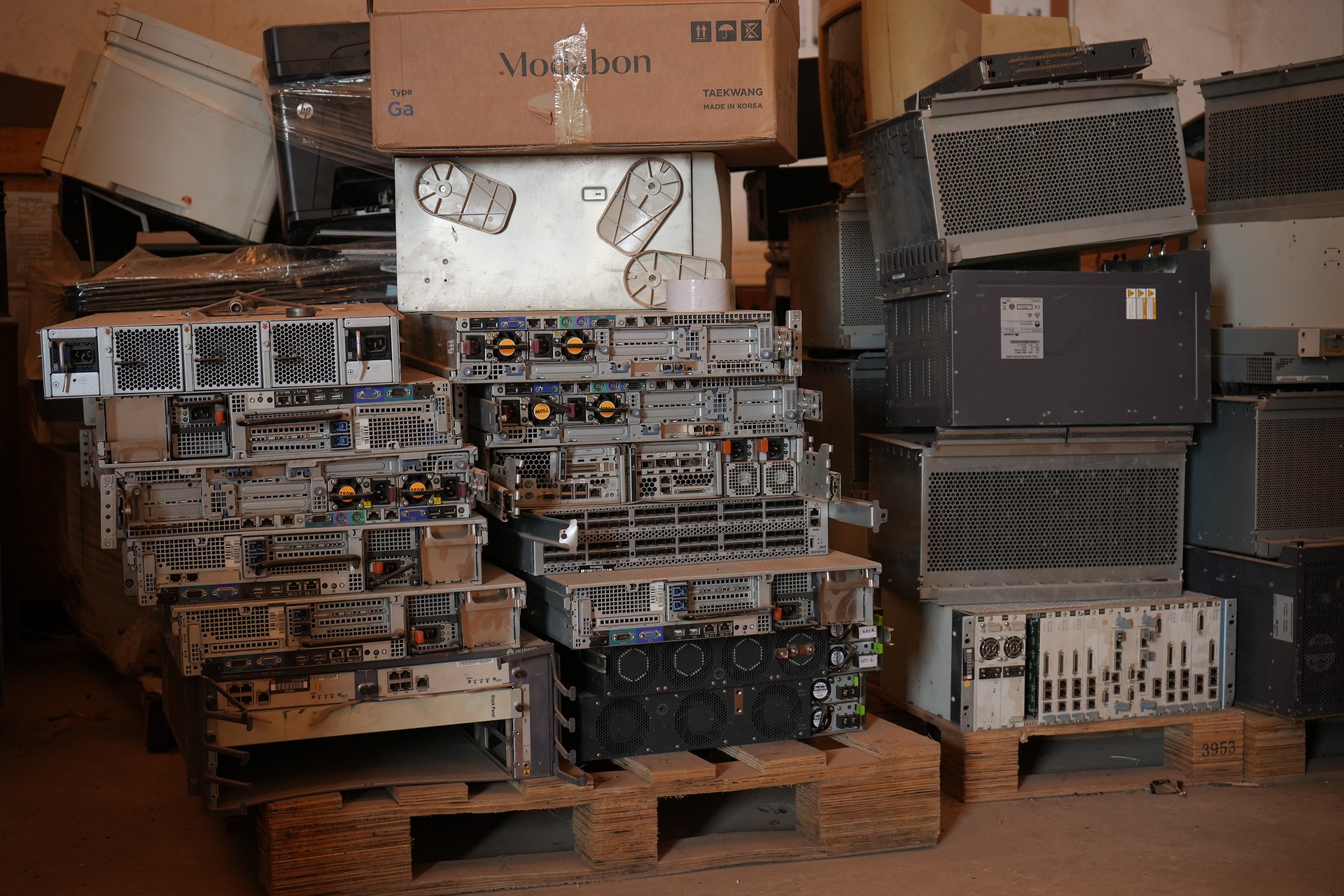
Currently, hazardous waste, particularly biomedical waste, is often incinerated uncontrolled or burned in the open air, posing significant risks to public health and the environment, notably through the emission of Persistent Organic Pollutants (POPs) and CO₂.
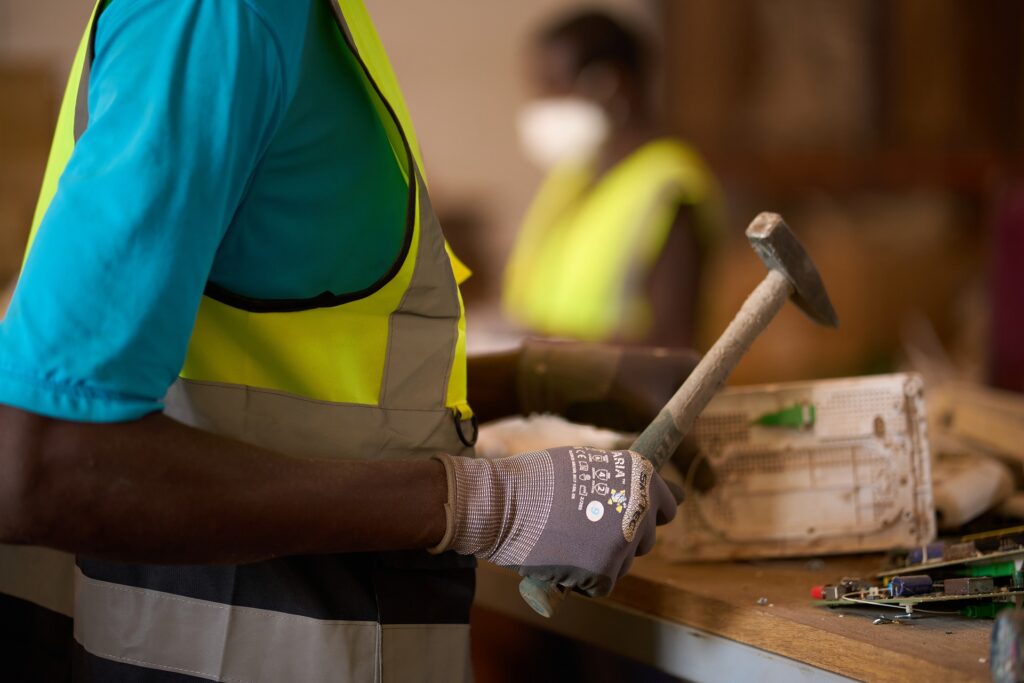
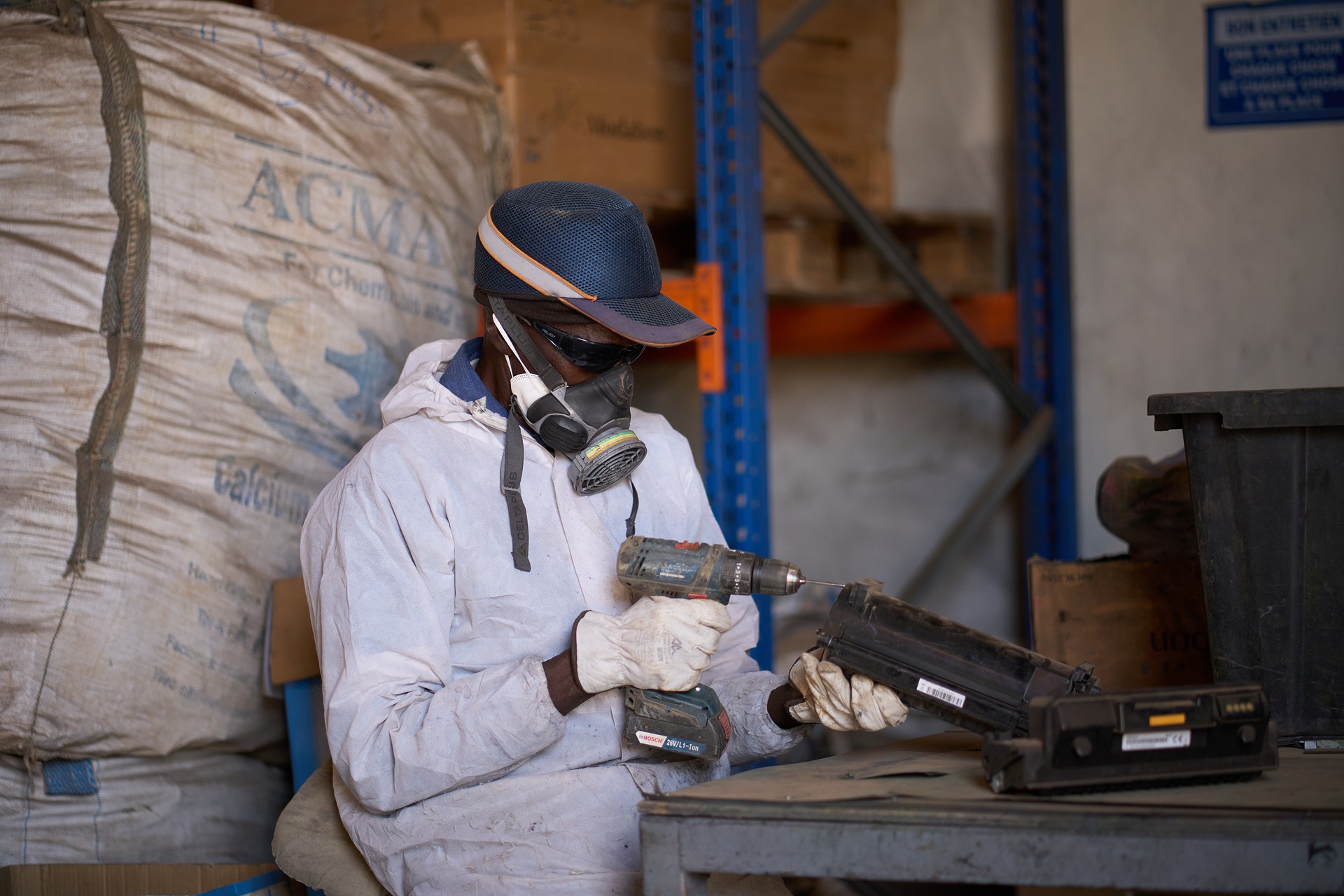
The populations most exposed include healthcare professionals, collection teams, and residents living near uncontrolled incineration sites. Moreover, the rapid growth of the healthcare, oil & gas, and industrial sectors has led to a significant increase in hazardous waste generation, making the implementation of appropriate solutions urgent.
This situation is worsened by the lack of modern treatment infrastructure. In the absence of effective alternatives, outdated methods like open-air burning are still commonly used, contributing to air and soil pollution.
Innovative solution
SetTIC offers an innovative solution for hazardous waste treatment, particularly biomedical waste, using an incinerator equipped with advanced filters. This technology reduces harmful emissions by up to 99% compared to traditional methods, thereby minimising impacts on public health and the environment.
The project combines modern technologies and digitalisation to provide a comprehensive, secure service compliant with international standards, covering the collection, transport, and treatment of waste. Integrated filtration systems ensure strict control of emissions, contributing to sustainable hazardous waste management in Senegal.
Impact
- Creation of 10 direct jobs
- Incineration of 86 tons of hazardous waste over the project duration
Photo credit ©Phototigui
Targeted Sustainable Development Goals
-
10 direct jobs are created.
-
86 tons of hazardous waste are incinerated over the project duration.
-
Severe land and marine pollution is prevented.