From diesel to solar: Farming forward
Enterprise
Nadji.Bi
Presentation of the enterprise
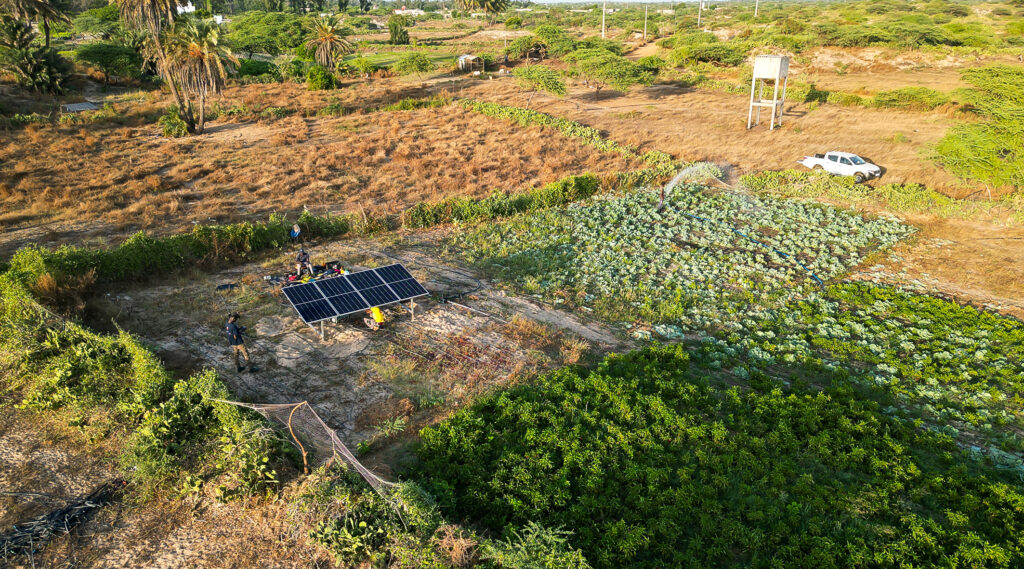
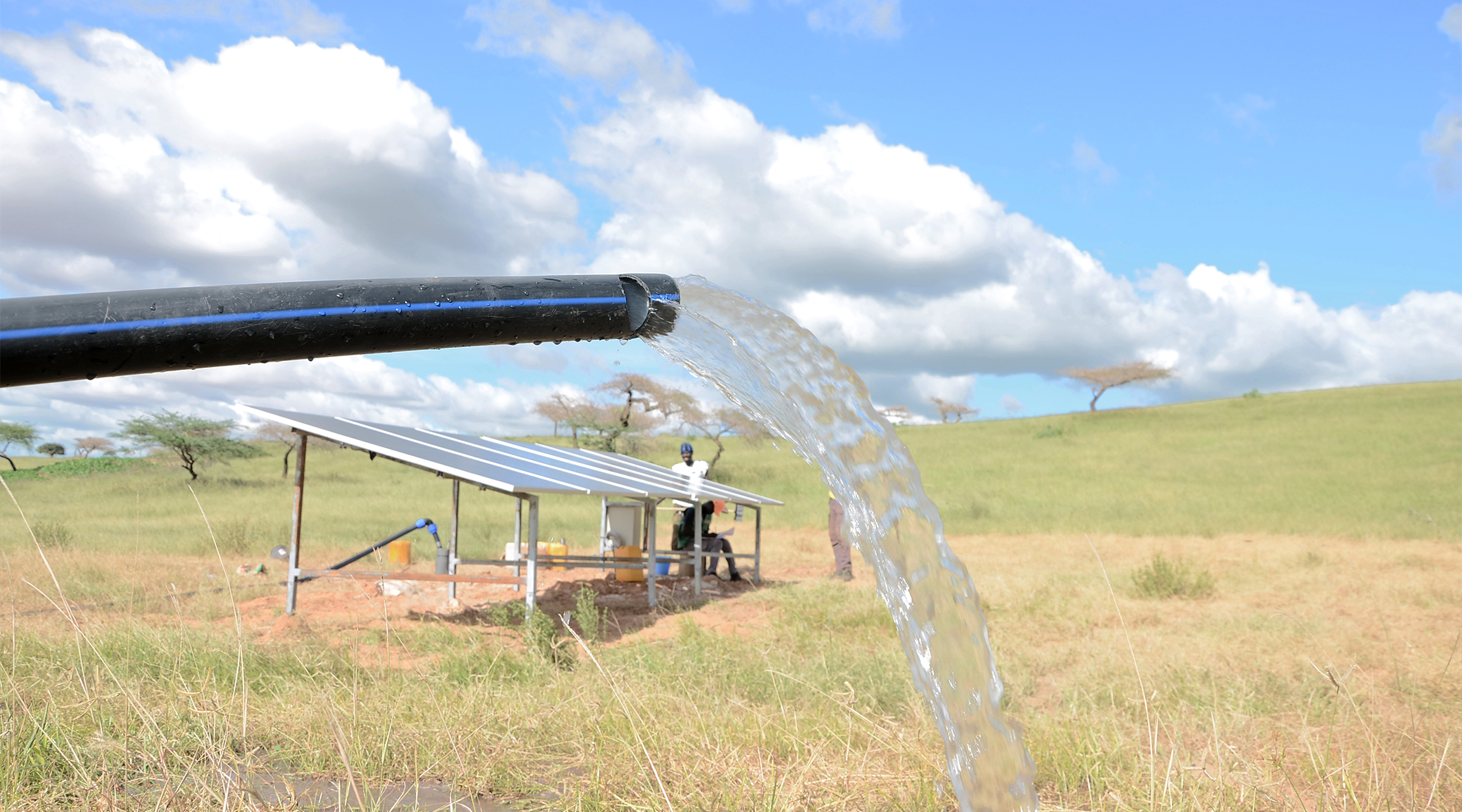
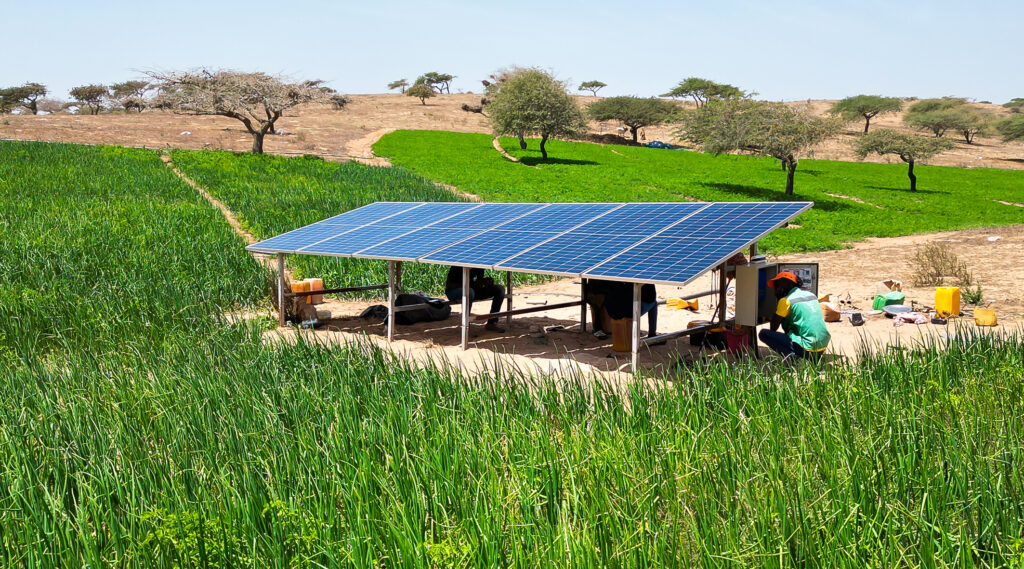
Nadji.Bi Senegal designs and markets “Made in Africa” solar equipment for domestic and agricultural electrification, including connected solar pumps. The company contributes to expanding access to clean energy and to fostering rural economic development.
Amount of co-financing
EUR 350,000
- Senegal
- 2026
- Ongoing
Challenge
A cornerstone of the rural economy, Senegalese agriculture faces a dual structural constraint.
On the one hand, heavy reliance on diesel‑powered motor pumps leads to high operating costs for smallholder farmers, cutting into profit margins and limiting their ability to invest.
On the other hand, this dependence on fossil fuels directly contributes to greenhouse gas emissions, increasing the carbon footprint of agricultural irrigation.
These challenges are compounded by a major barrier: limited access to finance for acquiring sustainable equipment such as solar irrigation systems, particularly for unbanked populations.
Innovative solution
Nadji.Bi addresses these challenges by combining locally assembled solar technology with an innovative business model.
Rather than selling equipment, the company offers an Energy‑as‑a‑Service (EaaS) water and energy solution, delivered through a Pay‑As‑You‑Go system.
This model removes the need for upfront investment by farmers and transforms an unpredictable cost—fuel—into a controlled, transparent and measurable subscription expense.
Thanks to the Internet of Things (IoT), the pumps are connected, enabling real‑time monitoring of performance and impact, including water consumption, energy availability and CO₂ emissions reductions.
Targeted impact
- Improved livelihoods for 400 small scale users
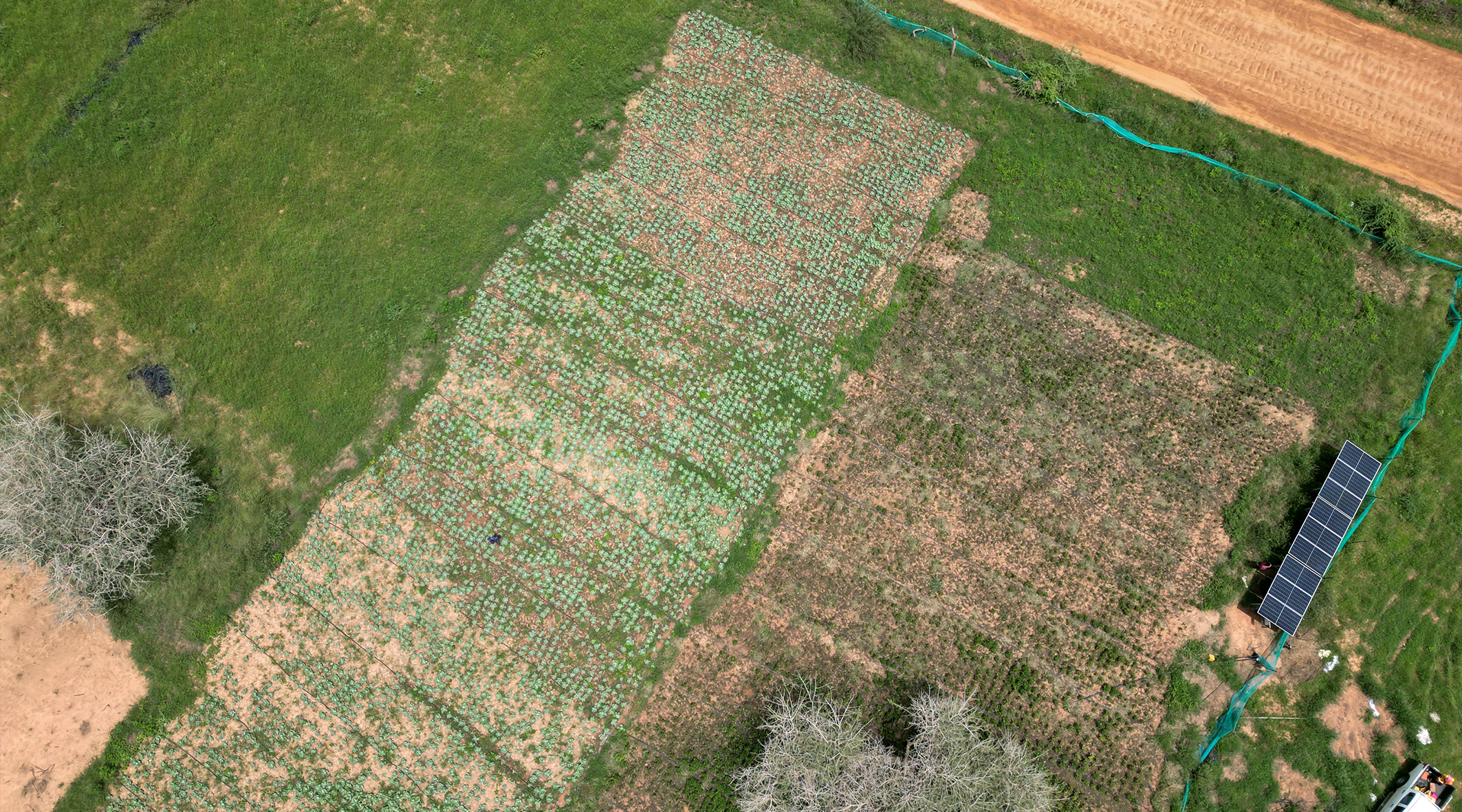
- Solar irrigation solutions deployed for 100 smallholder farmers
- 100 hectares farmed using solar pumping
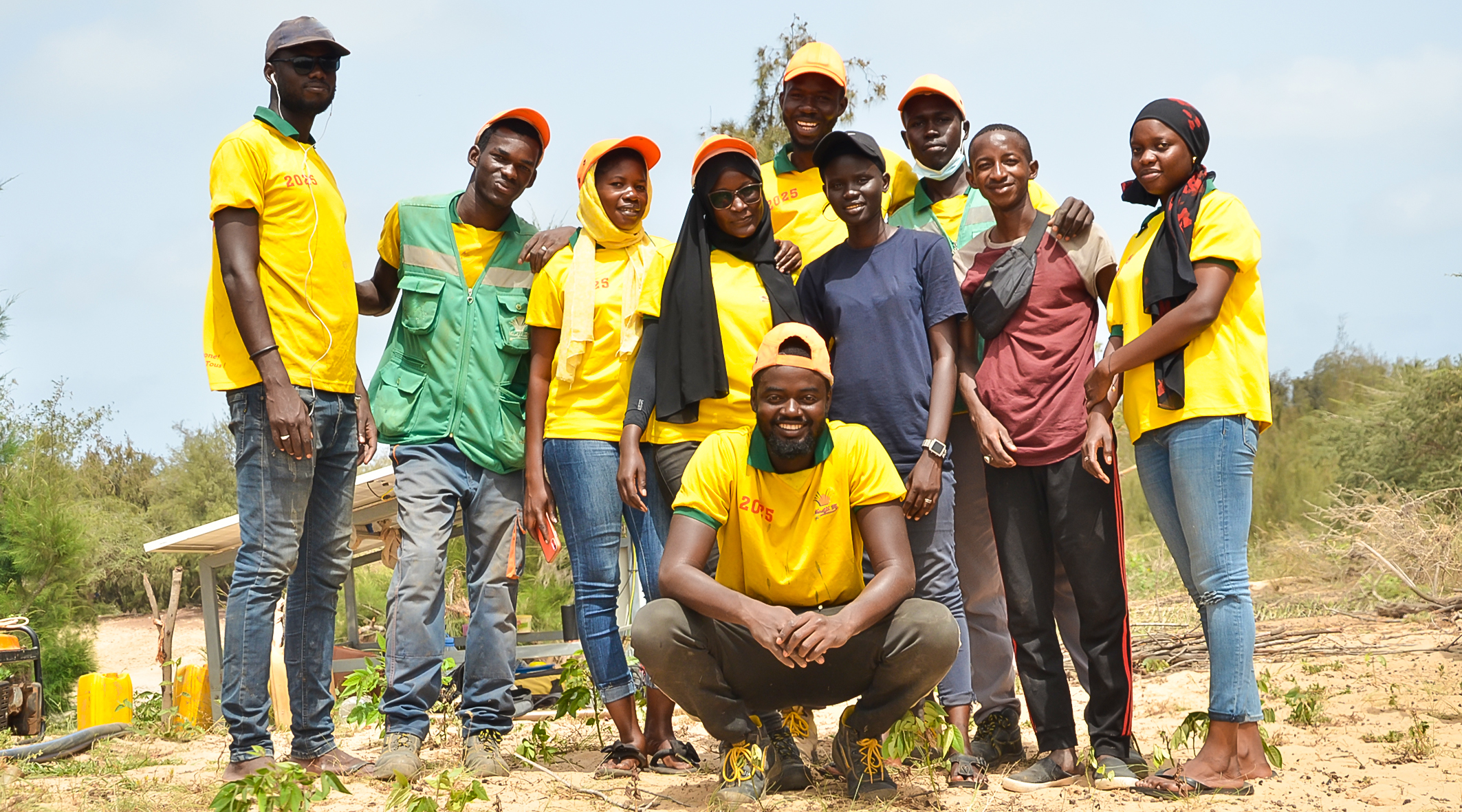
- 10 direct jobs created
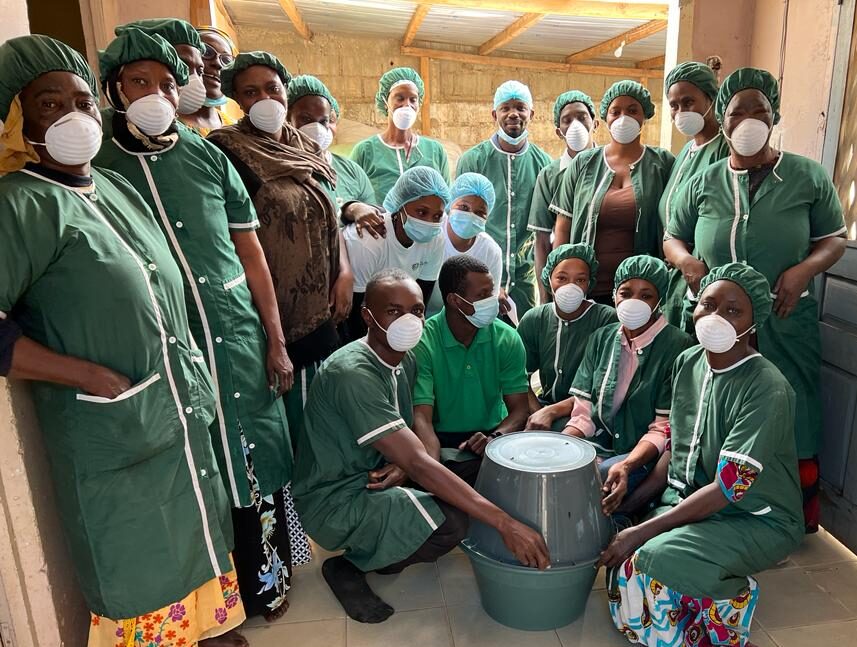
- 75 people trained in the use and maintenance of solar pumps
Photo credit ©Pape Ababacar DIOP
Targeted Sustainable Development Goals
-
400 people improve their incomes and quality of life.
-
100 hectares are cultivated using the solar pumping solution.
-
10 direct jobs are created.
-
The company reduces CO₂ emissions through the deployment of solar pumping solutions.